

BLOG

Musica Electronica on Colombia's Caribbean Coast
The best parties and festivals in the north of Colombia
Here at El Rio Hostel, we are all about decent beats, which can be a bit tough when the sound of the accordion rings from the stereo of every taxi, bus and discoteca between Cartagena and Riohacha. Don’t get me wrong, we’ve got nothing against the local music, but sometimes we need a dose of something more pumping to make our feet move on a night out. Here are the 4 best places to find electronic sounds on the Colombian Caribbean…
1. El Rio
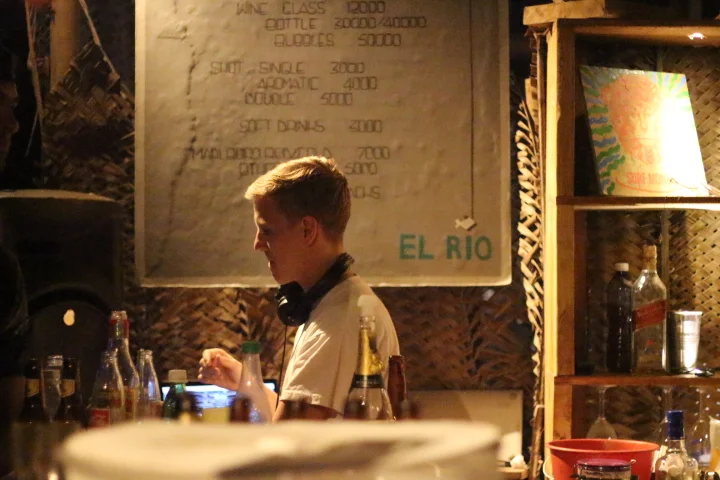
We pride ourselves at El Rio as being the best location to hear colourful house, techno and disco, on a weekly basis, all set in everyone’s favourite river side bar. Keep your eyes on our social calendar for our bigger nights, where we play through until sunrise
2. Armando Records Cartagena
The newly opened arm of the Bogotá favourite plays hosts to the likes of Soul Clap Record’s Nick Monaco, plus a variety of bands and DJs
3. Casa Grande Full Moon
A monthly party on a stunning white sandy beach that sees guests and residents spin house, drum ’n’ bass, techno and everything in between

4. Electronic Arts Festival Barranquilla
The largest event of it’s type on the coast. Organised by a national and international team, the DJs are always top notch and the production very well thought through. The festival takes place annually in Barranquilla


Friendship Whilst Travelling
Prior to a trip, a lot of thought can go into who would make a good travelling companion.
Prior to a trip, a lot of thought can go into who would make a good travelling companion. I’ve known best friends opt out of travelling together for fear that they wouldn’t gel whilst on the road. This fact makes it all the more interesting when considering the faith in their compatibility people put in strangers whilst on the road. Often people will meet in the bar of a hostel, perhaps spending one or two days together, discuss travel plans and realise they’re heading in the same direction. “Should we get the bus together?” And so it begins.
Friendships are formed quickly and often very intensely whilst travelling. Complete strangers go to being best friends in the space of days. All of a sudden you are spending every waking moment in the company of someone that just a few days ago was unknown to you. If you think about it, when was the last time you spent weeks, perhaps months, spending nearly all of your time in the company of one of your friends back home? You eat every meal together, take buses together, share rooms, see bizarre sights, ride elephants together, have profound and life changing experiences together. When was the last time you did that with a friend back home? In fact, some of my most frequently recounted memories have involved the company of “Nathan and Doobs, these two Aussie blokes we met in Puerto Escondido”, or something similar. This can bring you very close to someone very quickly, which is brilliant.
And what if it’s more than friendship? Coupling up whilst travelling happens frequently, especially amongst solo travellers. However getting to know someone whilst travelling is very different to your usual dating game. Whilst back in your home town, you might go on a date or two a week, getting to know people slowly. You want to look your best, come across well and dates tend to last the evening or a weekend. This is a stark contrast to how this works whilst on the road, which is much more honest and full on. The makeup goes out of the window, your imperfections and stresses are laid bare far faster than they would be normally. You’re not just meeting for brunch; you’re having breakfast, lunch and dinner with your new partner.
This is made all the more bizarre by the fact that when you say goodbye to these people who have touched your life so deeply whilst on the road, you then have to deal with them suddenly leaving and saying goodbye. Often plans are made to visit each other and meet again, but this rarely happens. The odd Facebook message may be exchanged down the line, but that can often be the end of it.
So you make the most of your shared experiences and then promptly move on to your new new best friend, and temporarily forget all about that funny German bloke you travelled through Bolivia with. But when you get home and go through your photos and are in tears laughing at some inside joke that no-one will ever possibly understand, you know that even if you never see that person again, you’ve got a friend for life. That’s something to hold on to.

5 Best Places To Eat In Santa Marta
Some of Santa Marta's finest eateries
1. Ouzo
Serving Greek and Mediterranean, this restaurant sits in the leafy Parque de los Novios. Be sure to book if you’re going for the evening. Try the seafood orzo, or one of their wood fired pizzas. http://www.ouzosantamarta.com
2. El Balcon
This upstairs eatery in Parque de los Novios is a great place to enjoy tapas with a decent bottle of wine.
3. Lulo
Specialising in ceviche, “gourmet” arepas and panini’s, Lulo is a top choice for lunch. Have one of their delicious smoothies, a great way to cool down in the Santa Marta heat. http://www.lulocafebar.com/menu.html
4. The Creperie
Boasting a simple menu of crêpes and salads, this is a new option that is great for a lighter bite.
5. Radio Burger
The best burgers in town, hands down, located in the building of Santa Marta’s old radio station. https://www.facebook.com/Radio-Burger-139494632869001/


The nature of travel
The advent of technology has forever changed the way we travel.
How people travel has been evolving for years, but the advent of one thing in particular seems to have changed the face of travel forever: The smartphone. Before, it was all guidebooks, turning up unannounced and going with the flow. Hostel social areas were inhabited by clusters of newly formed friendships, the next destination decided on the advice of a complete stranger over a beer at the bar. Not that this doesn’t still happen; on the contrary, as an owner of a new hostel with a small online following, I’m well aware of the power of word of mouth.
When I first backpacked in Mexico in 2008, the last thing I would have dreamed of carting around with me was what is essentially an expensive piece of fragile glass; even my camera barely made the cut. My Nokia mobile phone was left on my bedside table back home. We relied on an out-of-date copy of Lonely Planet and bits of advice from other like-minded wanderers. As a group of five, we almost never booked anything in advance, deciding our route upon arrival in Mexico City.
At the risk of sounding like a boring old fart, these days it’s vastly different. There are arguments to both sides of the smartphone coin. Those against argue that social areas are now full of zombies, posting instead of chatting, swiping instead of making friends. On the flip side, you have those saying the Lonely Planet ‘gringo trail’ is a thing of the past; the grassroots approach of researching your trip online through blogs and articles offering up a wider variety of options for those wanting adventure. Most guidebooks only come out once every 2-4 years, whereas a blog post can often be posted straight after visiting the destination, quickly rendering the advice of the guidebook obsolete.
The first question people ask upon arrival at almost any hostel is no longer, “where’s the bar?” or “what would you recommend we do tonight?” but “what’s the wifi code?”. This is undeniably a little sad, however, it’s worth bearing in mind that this can often be down to worried relatives at home needing to be informed that their darling has arrived safely. This does beg the question though: Would they be so worried if this constant contact wasn’t so readily available, if all they had to rely on was the odd email?
Some people even go to the lengths of buying a sim in every country, some so that they can get local numbers, make friends and organise themselves better. Others just want to see what the local Tinder landscape looks like.
Travelling with a smartphone can make keeping in contact with fellow travellers much easier. I remember being angry at losing the contact information of five French guys I’d spent a week with in Indonesia, as their information had been hastily scribbled on a cigarette packet, which quickly got thrown away. Had I a phone on hand, this potentially wouldn’t have happened. However, would the magic of that carefree week spent hanging out together in our early twenties, now committed to the furthest confines of my memory, remain as special if I could see their happy family photos on my newsfeed every day?
Written by Ben Davies, Co-owner of El Rio Hostel